
Formalwear is the one area where getting the vocabulary wrong has visible consequences. Turning up in a suit to a black tie wedding is a mistake people notice.
These pages cover both halves of the problem: what the garments are, and what the invitation is asking for.

Examples from the blog




What a tailor can fix cheaply, and what they cannot
Trouser hems, sleeve length, taking in the waist and slimming the side seams are quick, inexpensive jobs, and almost every off the peg suit needs at least two of them. Budget for alterations as part of the purchase instead of treating them as evidence that the garment was wrong.
Shoulders, chest width and lapel shape are a different matter. Recutting a shoulder means dismantling the jacket, and the cost often approaches what the suit was worth. Buy for the shoulder and the chest, accept that the rest needs work, and you end up with something that genuinely fits.
The parts people forget until the morning of
Shoes carry more formality than most people expect. Closed lacing, where the eyelet flaps are stitched under the front, is the dressiest everyday shoe. Open lacing sits a step below and is perfectly fine with a business suit. Patent leather belongs with black tie and looks odd anywhere else.
Socks should be long enough that no skin shows when you cross your legs, and dark enough to continue the trouser line. Shirt collars matter too. Turndown collars go with a suit and with most tuxedos, while a wing collar is a narrow, very formal choice that few events call for.
How far can one suit stretch?
Navy or mid grey in a plain weave covers far more ground than black. Same suit, white shirt and a sober tie reads as business. Open collar and suede shoes reads as a smart dinner. Silk tie and polished oxfords carries a daytime wedding. Black reads as evening, or as uniform.
Limits show up at the top of the ladder. No accessory turns a business suit into black tie, because satin facings are the whole point of that garment. Below that line, though, changing shirt, tie and shoes does nearly all the work of owning several suits.
More suits and formalwear to try on
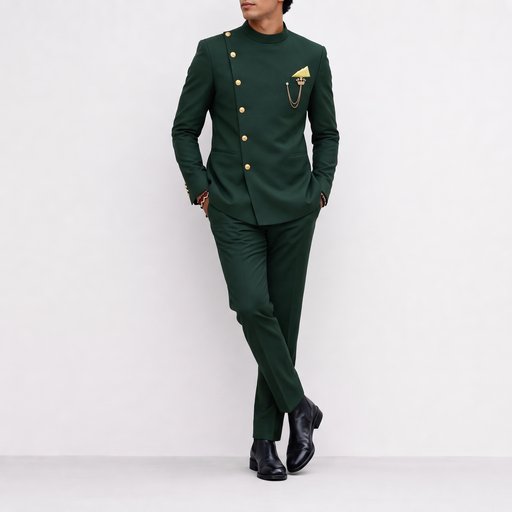
 Pastel pink suit with a satin shawl collar
 Patchwork denim suit combining different washes
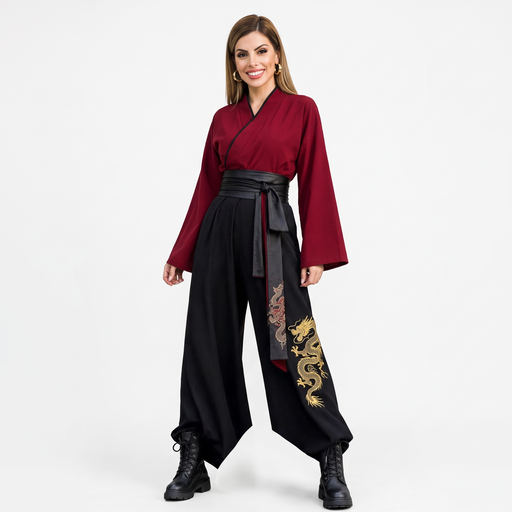
 Opulent red velvet suit with gold embroidered dragons
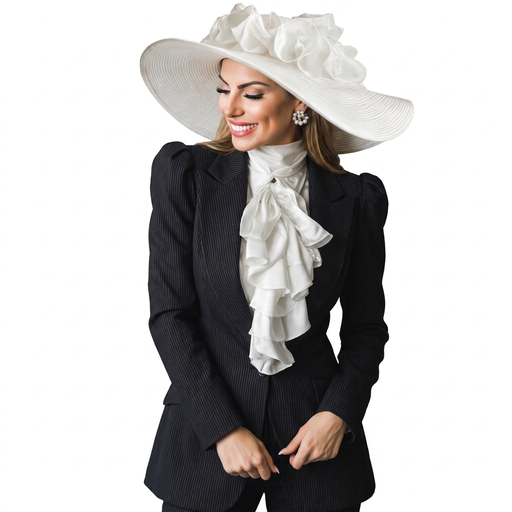
 Navy blue three-piece suit with a pinstripe pattern
 Neon green suit with a reflective material and edgy
 A crisp white linen tuxedo
 A navy blue pinstripe wool tuxedo
 A charcoal grey tweed tuxedo
 A soft pink cotton tuxedo
 A jet black tuxedo with sequin details
 Graphic print suit featuring bold
 A rich burgundy silk tuxedo
Tap any look to open it in the app on your own photo.
Related
Suits and Tuxedos · Suit vs Tuxedo · Blazers · Blazer vs Suit Jacket · Dress Codes Compared
Questions people actually ask
How far ahead should formalwear be ordered?
Allow at least a month for anything needing alteration, and longer in wedding season when tailors are busy. Made to measure and hire both run on their own lead times, often six weeks or more. Leaving it to the final week limits you to whatever happens to fit.
Hire or buy?
Hire for a one off code you will not meet again, such as white tie. Buy if you expect two or three formal events a year, because repeated hire adds up and a hired garment is only ever altered as far as the next wearer allows.
Which suit colour is the most useful first one?
Navy. It works in daylight and under artificial light, it suits most complexions, and it separates well if you ever wear the trousers alone. Charcoal is the next choice. Black is the least flexible of the three, despite being what most people buy first.