
A hoodie is doing two jobs at once. It is the most forgiving garment in a wardrobe and also the one most likely to make a whole outfit look careless, and the difference usually comes down to how much room there is through the body.
An oversized fit reads as deliberate when the shoulder seam drops past your actual shoulder. Half a size too big just looks borrowed.

Examples from the blog


Workwear, then sportswear, then everything else
Hooded sweatshirts began as workwear in 1930s America, made for labourers who needed something warm they could pull on in cold warehouses. Athletes picked them up next, wearing them on the sidelines between efforts, and the hood did a real job in both cases. By the 1970s and 80s skaters, runners and hip hop artists had claimed the shape, and every version sold today descends from that lineage. Very little about the garment has changed since.
Nearly every feature is functional in origin. Ribbed cuffs and hem seal warm air inside the body of the garment. Brushed loops on the inside of the fleece trap that air against you. The front pouch keeps hands warm without needing a lining, and the drawcord pulls the hood tight against wind. Decoration came later, added on top of a design that already worked. Even the flat hem panel exists to stop the body riding up.
Keeping the fleece from going flat
Fleece loses its softness through heat and friction, not through age. Wash a hoodie inside out on cold, and skip fabric softener, since it coats the fibres and flattens the loops that hold warmth. Tumble dryers do the most damage of anything in the process. Hang drying takes longer and keeps the inside lofted for years longer. Low heat still counts as heat, so if you must use a dryer, pull the hoodie out while it is slightly damp.
Pilling is abrasion, so it shows up first where your arms rub your sides and where a bag strap sits. Cheap fabric shavers take the bobbles off without thinning the cloth, and picking at them by hand does thin it. Tie the drawcord before washing so it does not disappear into the eyelet, and fold heavy hoodies flat instead of hanging them wet. Wet cotton is heavy enough to pull the shoulders out of shape.
| Weight | Feels like | Best for |
|---|---|---|
| Light, 240 gsm | A long sleeve tee with a hood | Layering under a jacket |
| Mid, 320 gsm | The standard high street hoodie | Wearing on its own indoors |
| Heavy, 400 gsm and up | Structured, holds its shape | Cold weather, boxy streetwear fits |
More hoodies to try on
 Deep burgundy
 Dusty pink, this hoodie blouse offers a soft
 Neon yellow, this electrifying hoodie blouse is
 Crimson red, this hoodie blouse offers a vibrant
 Turquoise blue
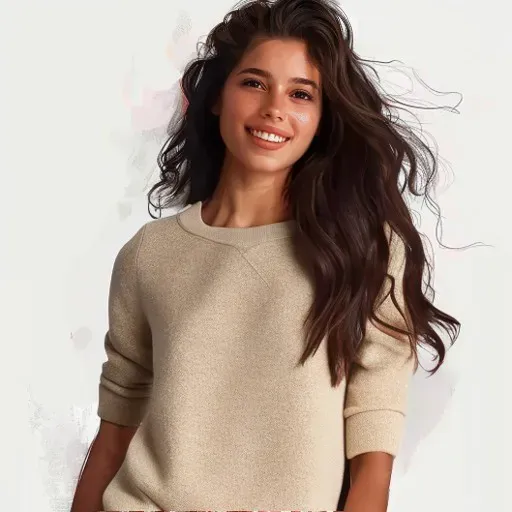 A light beige wool-blend sweatshirt
 Bright coral
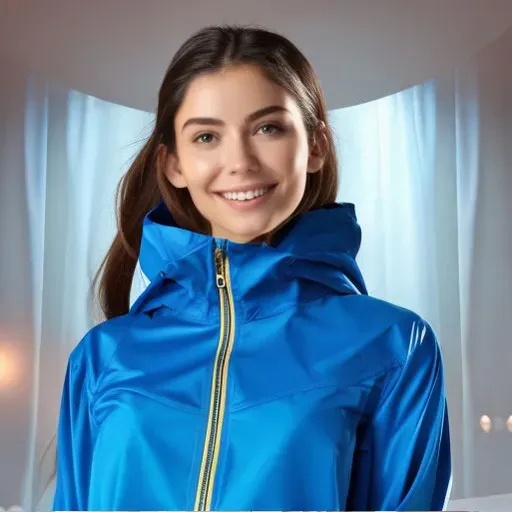 Electric blue
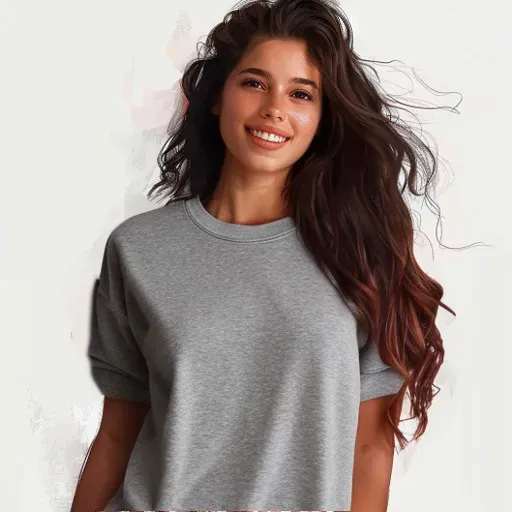 A classic grey cotton sweatshirt
 Royal purple
 Teal green, this hoodie blouse stands out
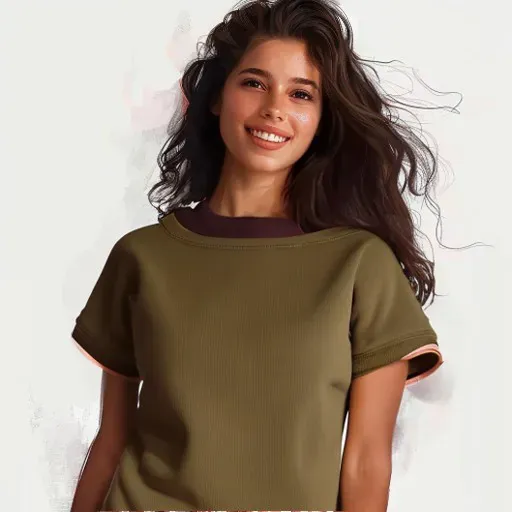 An olive green thermal sweatshirt
Tap any look to open it in the app on your own photo.
Related
Cardigans and Sweaters · Hoodie vs Sweatshirt
Questions people actually ask
Is a hoodie just a sweatshirt with a hood?
Essentially yes. Sweatshirt is the parent category and the hood is the only structural difference, though hoodies more often add a front pocket and a heavier body.
Should a hoodie be oversized?
It works when the shoulder seam sits visibly below your shoulder and the hem reaches your hip. Anything between that and your true size looks accidental.
Zip or pullover?
A zip hoodie behaves like a light jacket and layers over things. A pullover is warmer and cleaner across the chest, with no hardware interrupting a graphic.
How often should a hoodie be washed?
Less often than a t-shirt, because a hoodie usually has a layer underneath it. Every three or four wears is normal, sooner if you wore it against bare skin or worked up a sweat in it. Airing it overnight between wears does more for the smell than another hot wash does.
Can a hoodie work in an office?
In a relaxed office, yes, if it reads as chosen. Plain colour, clean fit, no slogans, and something structured over or under it so the hoodie is a layer instead of the whole outfit. Zip hoodies under a coat pass almost anywhere. Logo-heavy pullovers rarely do.