
A kimono is a lined garment, usually silk, with an under layer and formal associations, while a yukata is unlined cotton worn in summer and at festivals, with no under layer and far simpler dressing.
Both are ankle length, both wrap left over right, and both are held by a sash, so visitors to Japan often use the words interchangeably. The garments sit at opposite ends of formality.

| Kimono | Yukata | |
|---|---|---|
| Lining | Lined | Unlined |
| Fabric | Silk, brocade | Cotton, sometimes linen |
| Worn over | An under kimono | Bare skin or light underwear |
| Season | Year round | Summer |
| Occasion | Ceremonies, weddings, tea | Festivals, fireworks, inns |
| Collar layers | Two visible | One |
How to tell them apart in a photo
Count the collars at the neck. A second layer of fabric peeking above the main collar means a kimono.
Which one should you pick
Wear a yukata when
You are a guest at a summer festival or staying at a traditional inn. It is the version outsiders are most often invited to wear.
Be careful with a kimono
Formal kimono carries meaning about marital status and occasion. Ask before you wear one.
Examples from the blog


Try both on your own photo
 Chinese Cheongsam (Qipao)
 Maasai Shuka
 Scottish Kilt
 Samoan Puletasi
 Ukrainian Vyshyvanka
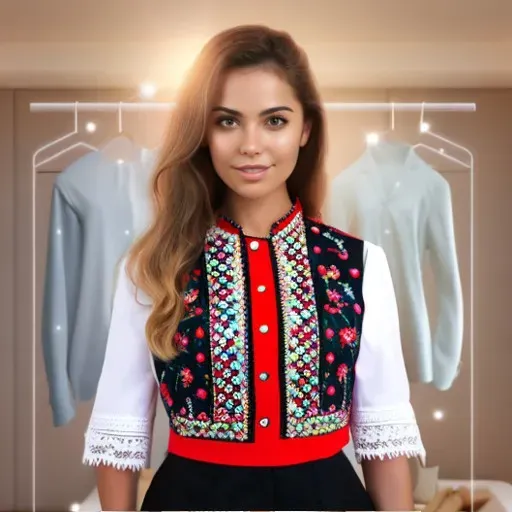 Polish Folk Dress
 Japanese Kimono
 Norwegian Bunad
 Bavarian Dirndl
 Turkish Kaftan
 Bhutanese Gho and Kira
 Russian Sarafan
Tap any look to open it in the app on your own photo.
Related
Questions people actually ask
Always left over right?
Yes. Right over left is how the dead are dressed for burial, so the order is not a stylistic choice.
Where does the word yukata come from?
From yukatabira, a light robe worn after bathing. That history still shows: Japanese inns and hotels supply yukata for guests to wear around the building and to the baths. Festival yukata are the same garment with better printing and a proper sash.
Is the sash different?
Yes, and it is the quickest visual tell after the fabric. Yukata are usually tied with a narrow, soft sash that one person can manage alone. Formal kimono use a wide, stiff obi tied in shapes that often need help, plus cords and pads to hold it.
Can visitors wear one in Japan?
Yes. Rental shops near temples and tourist districts exist precisely for this, and dressing you is part of the service. Wearing one respectfully is generally welcomed; the things to avoid are the wrong crossover direction and treating the garment as a costume prop.