
Outerwear is the most expensive category to guess wrong, because a coat sits over everything else and has to work with all of it.
These guides cover the shapes that survive more than one season.

Examples from the blog


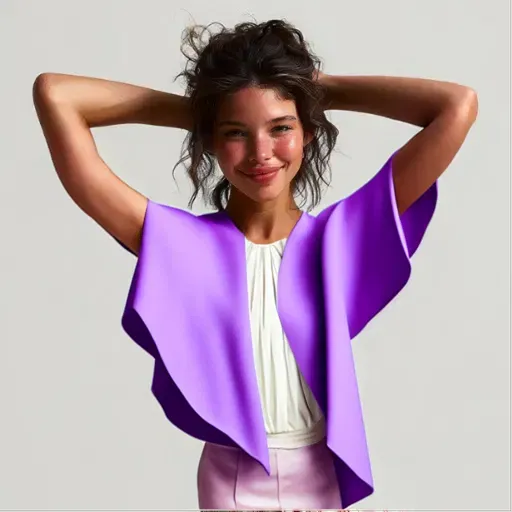

Size it over the thickest thing you will wear under it
Try coats on over a jumper, never over a t-shirt. Shoulders and armholes are where a coat runs out of room, and a fit that feels generous in the shop can pin your arms once a knit is underneath. Do the buttons up and reach forward as if for a door handle.
Sleeve length has to clear both cuffs beneath it. Shirt cuff, then knit cuff, then coat. If the coat sleeve stops short of that stack you will spend winter pushing sleeves back into place. Coat sleeves are simple to shorten and nearly impossible to lengthen, so buy long and alter down.
Length against what it has to cover
Hip length suits jeans and casual layers and stops looking right the moment something longer pokes out below it. Knee length covers a suit jacket and most skirts. Below the knee is for dresses and long skirts, and it is the only length that keeps your legs genuinely warm.
Watch for hems that land within a few centimetres of a dress or skirt hem, because a near miss draws attention to itself. Think about how you travel too. Long coats are excellent standing at a bus stop and a nuisance in a car seat or on a bike.
Wool, waxed cotton or a synthetic shell?
Melton and tweed are dense wools that block wind and hold warmth while staying dry, so they suit cold still air. Gabardine and waxed cotton shed rain and dry out quickly, making them the sensible pick in a wet climate. Nylon and polyester shells beat both for wind and pack down small.
Lining matters more than the label suggests. Smooth lining lets a coat slide over knitwear, while an unlined coat drags and rides up all day. Water resistant and waterproof also mean different things, and the difference is taped seams, so check for them if you expect to stand in real rain.
More coats and jackets to try on
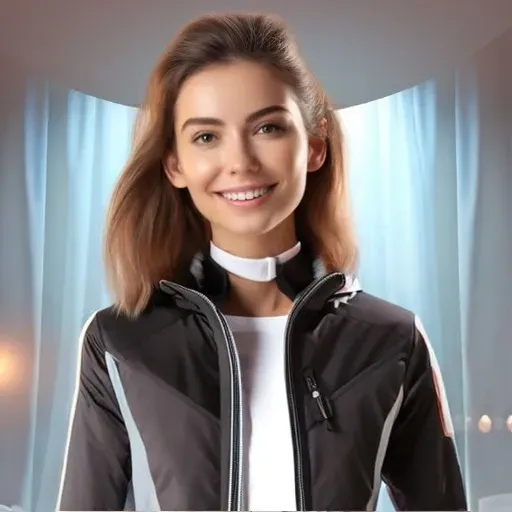 A high-tech parka in jet black
 Charcoal Grey
 Jet black, this puffer coat combines style
 Crisp white, the quilted coat offers a sleek
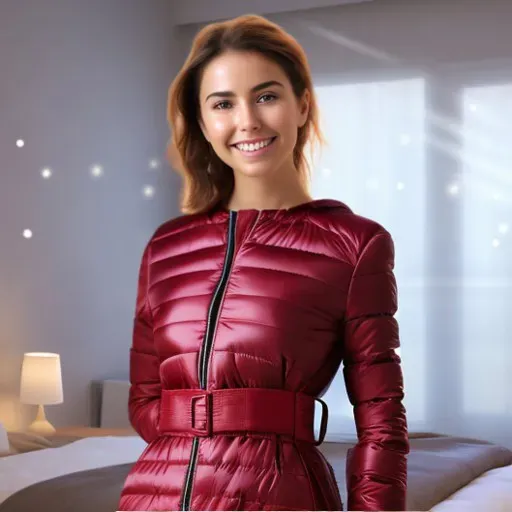 Deep Red, Belted Puffer Jacket.Elevate your
 Ice White, Quilted Puffer Jacket.This ice white
 A sleek bomber jacket in metallic silver
 Bright Yellow
 Jet Black, High-Gloss Puffer Jacket.This sleek
 Electric blue
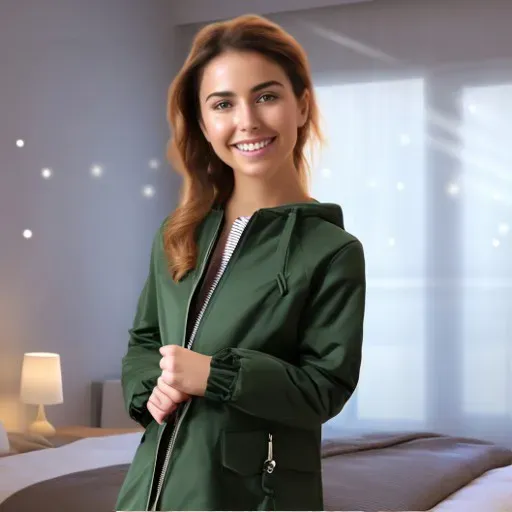 Forest green
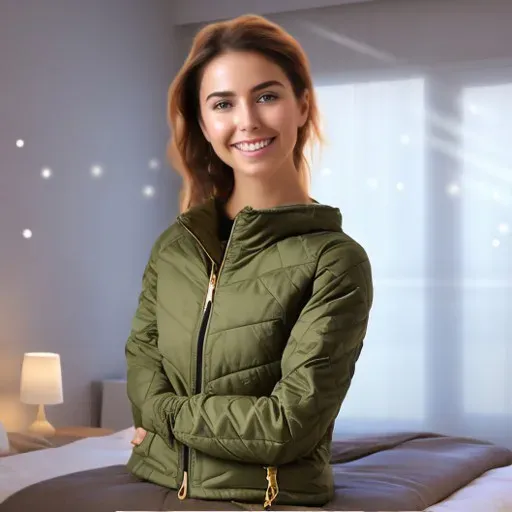 Olive Green, Military-Style Puffer Jacket.This olive
Tap any look to open it in the app on your own photo.
Related
Puffer Jackets · Blazers · Denim and Leather Jackets · Trench Coats · Peacoat vs Overcoat
Questions people actually ask
How many coats does one wardrobe need?
Three covers most climates: something warm and smart for cold days, something waterproof for wet ones, and a light casual jacket for the months in between. Owning more is fine, but it is usually about variety, not about filling a genuine gap in coverage.
Is the wool percentage on the label a good guide to warmth?
Only partly. Fabric weight and density matter as much as fibre content, and a tightly woven 70 percent wool melton can beat a loose, thin cloth that claims 100 percent. Feel the weight in your hand, hold it up to a light, and check whether it is lined.
How should coats be stored over summer?
Clean them first, since moths are drawn to body oils and food traces, not to clean wool. Use wide shouldered hangers, keep them in breathable cotton covers instead of plastic, and add cedar or lavender. Plastic traps moisture and leaves a musty smell by autumn.