
Puffers are judged on two things that have nothing to do with how they look: what is inside them and how far down they go.
Down is warmer for its weight and packs smaller. Synthetic keeps working when it gets wet, which matters more in a rainy climate than any warmth rating does.

Examples from the blog


Fill power, baffles and where the warmth comes from
Down warms nothing by itself. Clusters of down trap air, and the trapped air is the insulation, so anything that crushes those clusters costs you warmth. Fill power measures how much space a given weight of down expands to fill. Higher numbers mean more warmth per gram, not more warmth per jacket, since a thin high-fill shell can hold very little down. Fill weight, printed on better labels, tells you how much down is actually in there.
Baffle construction matters just as much. Sewn-through quilting stitches the outer shell straight to the lining, leaving a cold line along every seam. Box baffles use a strip of fabric between the layers so the down stays lofted the whole way across. That is how two jackets with identical fill numbers end up feeling different at a bus stop. Look at the chest seams before you look at the number on the tag.
Wash it more often than feels right
Body oils, dirt and smoke collapse down clusters, and a grimy jacket is genuinely colder than a clean one. Use a detergent made for down, run an extra rinse to get all the soap out, and skip softener entirely. Front loading machines are safer than top loaders with a central agitator, which can tear wet baffles apart. Zip everything shut first, so the zips do not chew the shell fabric in the drum.
Drying is the part people give up on too early. Tumble on low with a couple of dryer balls, and expect hours, not minutes, while the clumps break apart. Pull it out and shake it every so often. Store a puffer hanging loose or in a large bag, because months inside a compression sack kill the loft for good. Clean tennis balls do the same job as dryer balls, and no down jacket should ever be dry cleaned.
| Length | Covers | Right for |
|---|---|---|
| Cropped | To the waist | Mild cold, layering over a jumper |
| Hip | The standard puffer | Everyday winter |
| Thigh or longer | Down past the seat | Wind, commuting, real cold |
More puffer jackets to try on
 Teal quilted jacket
 Deep Red, Belted Puffer Jacket.Elevate your
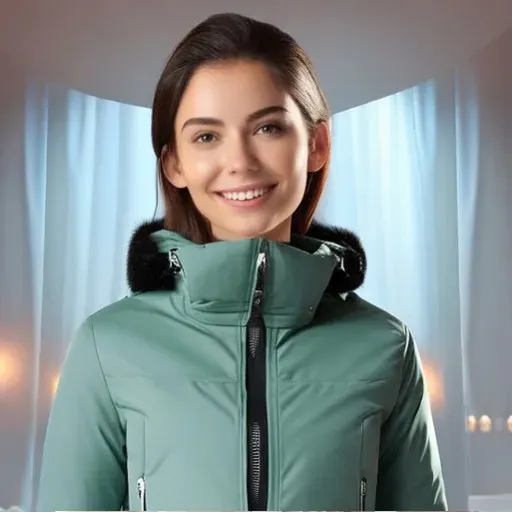 Seafoam green
 Olive green quilted puffer vest
 Ice White, Quilted Puffer Jacket.This ice white
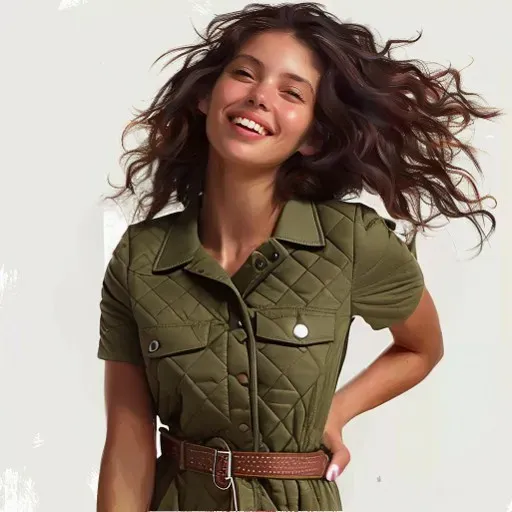 Olive green quilted jacket
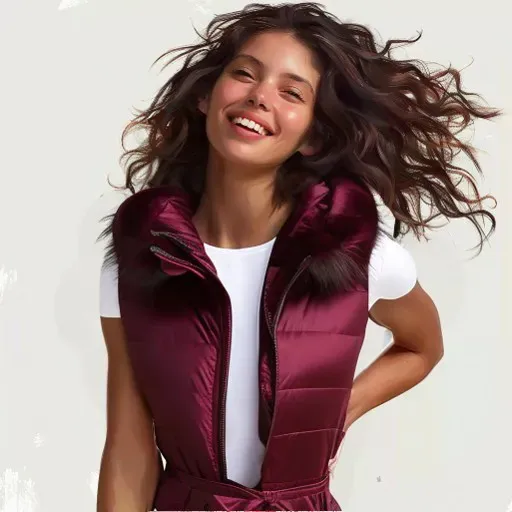 Burgundy puffer vest
 Teal puffer vest
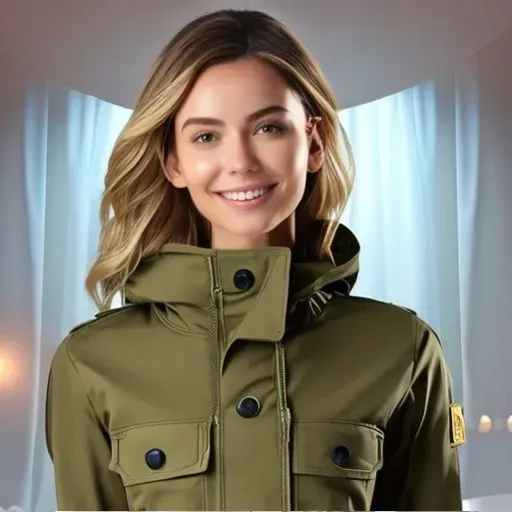 Olive drab, this military-inspired parka combines
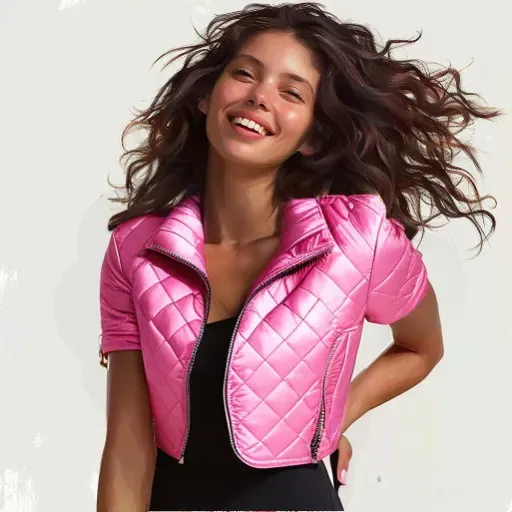 Pink quilted jacket
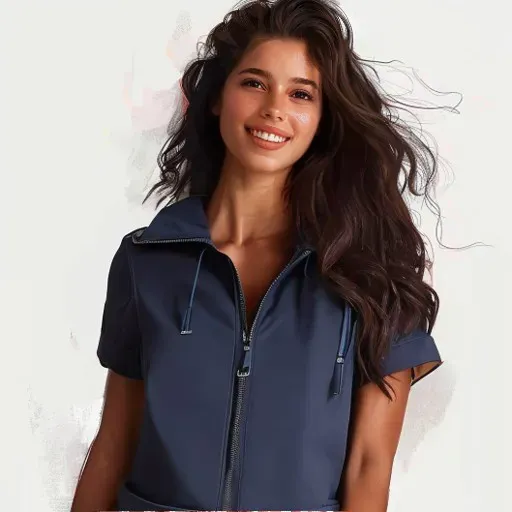 A navy blue softshell anorak
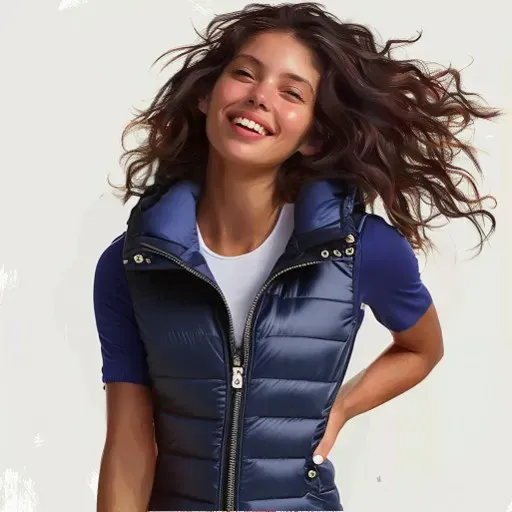 Navy blue matte puffer vest
Tap any look to open it in the app on your own photo.
Related
Trench Coats · Denim and Leather Jackets · Peacoat vs Overcoat
Questions people actually ask
Down or synthetic?
Down for dry cold and packability. Synthetic for wet weather, since wet down collapses and stops insulating.
Does a puffer vest make sense on its own?
As a mid layer, yes. Your core stays warm while your arms stay free, and that is what makes it work over a hoodie.
Why does my puffer leak feathers?
Needle holes. Every stitch makes a hole slightly larger than the thread, and down works its way out through them over time. Pull escaping feathers back inside from the lining instead of tugging them out, since pulling widens the hole. Tightly woven downproof shell fabric slows this down but never stops it entirely.
Is a puffer jacket waterproof?
Almost never. Most have a water repellent finish that beads light rain and gives up in a downpour, and the finish wears off with use. Wet down flattens and stops insulating, which is the real risk. Synthetic fill handles damp better, and a hard shell over the top handles it best.