
Some outfits are defined by a garment and some by an occasion. This is the second kind: looks that hang together because of where they are going, not because of what they are made of.

Examples from the blog


Work backwards from the venue
Ground surface decides shoes before anything else does. Grass, gravel and cobbles eat stiletto heels, and a garden ceremony is exactly where people discover this. Block heels, wedges and flats solve it without changing the outfit. Ask whether the event is indoors, outdoors or both, because outdoors is really two outfits.
Time of day shifts the same rules. Daylight favours lighter colours and matte fabrics, evening handles shine, and heavy beading photographs very differently under flash. How long you will be standing matters as much as either, so count the hours before committing to a pair of shoes you have never worn.
Style names are a short list of signals
Aesthetic labels like Y2K, preppy or minimalist are recognisable through a silhouette and two or three signature details, nothing more. Low rise and a baby tee say one thing. A collar, a knit vest and loafers say another. Naming the two details you want beats buying a whole look.
Copying every marker at once is what tips an outfit into costume. Pick two signals, keep the rest neutral, and the reference still lands while the clothes stay wearable. That restraint is also what separates people who look styled from people who look dressed up for something.
What do you do when the invitation is vague?
Ask. Messaging the host or another guest takes a minute and removes the whole problem, and nobody has ever been judged for checking. Failing that, read the venue and the time: a six o’clock event at a hotel is dressier than a two o’clock event in a village hall, whatever the card says.
Default one step dressier for evening events and one step more relaxed for daytime ones. Being slightly overdressed is easy to soften by removing a jacket or a tie. Being underdressed cannot be fixed once you have arrived, and it is the version people tend to remember.
More styles and occasions to try on
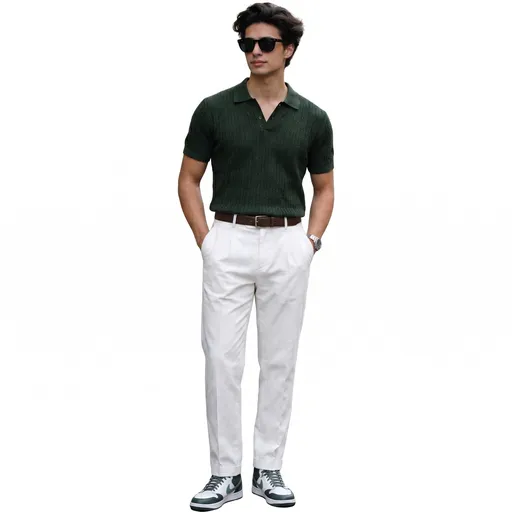 Dark green knit polo shirt
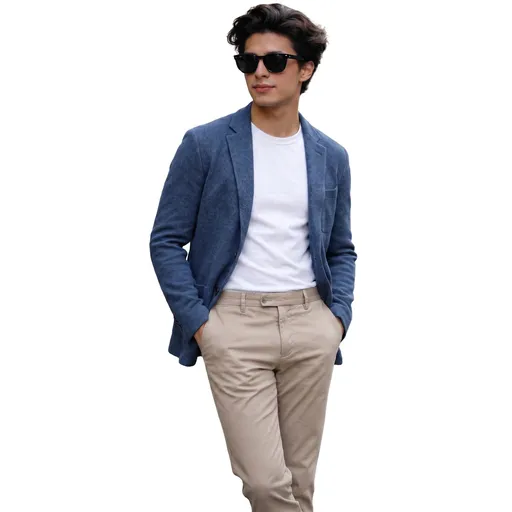 Blue blazer, white t-shirt, beige trousers, white
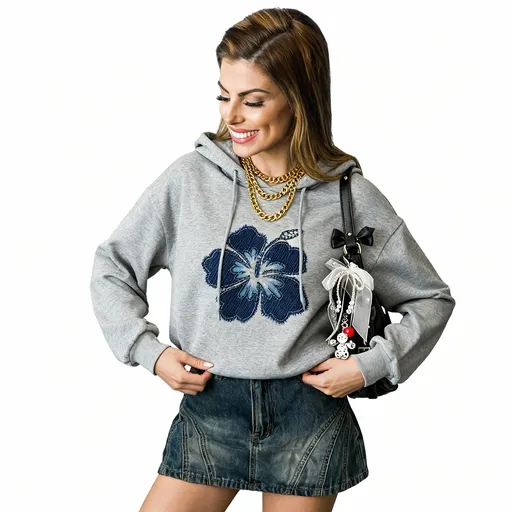 Gray hoodie with blue floral print
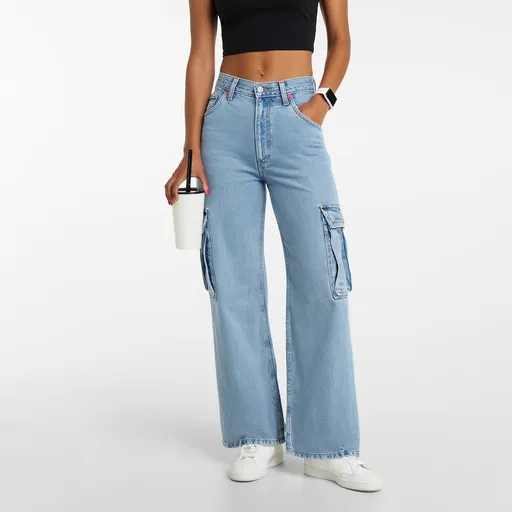 Black crop top
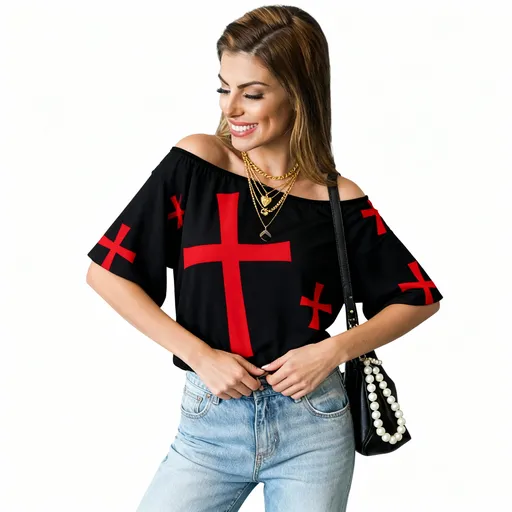 Black off-shoulder top with red cross pattern
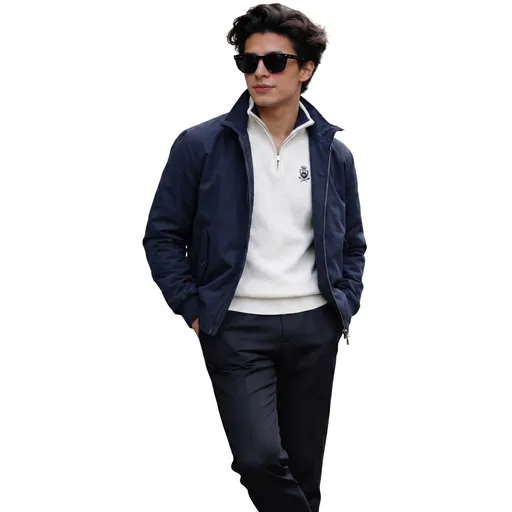 Navy jacket, white half-zip sweater
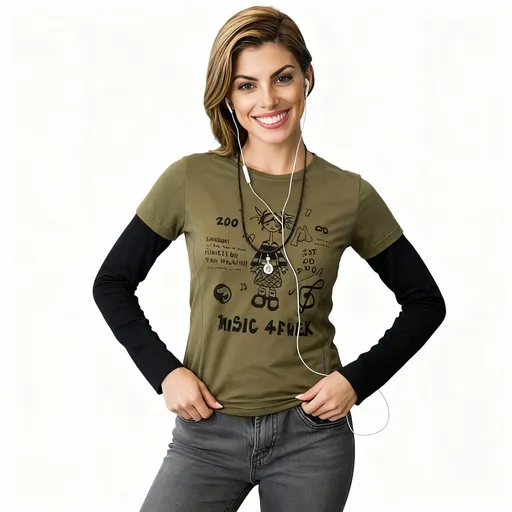 Olive graphic tee
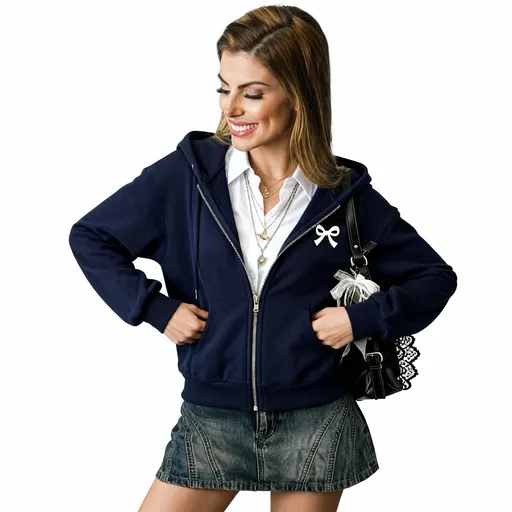 Navy zip-up hoodie with white bow
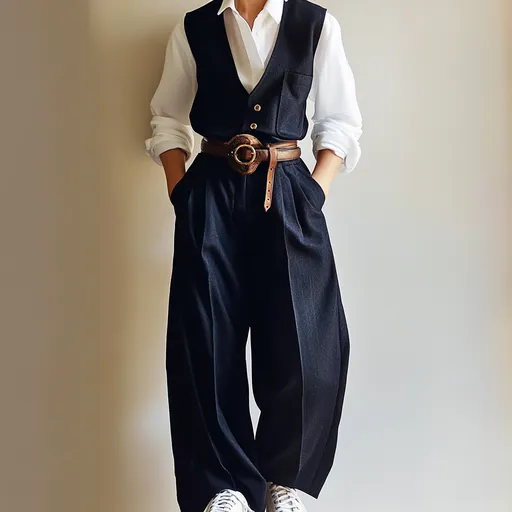 Dark vest, white rolled-up shirt, dark wide-leg
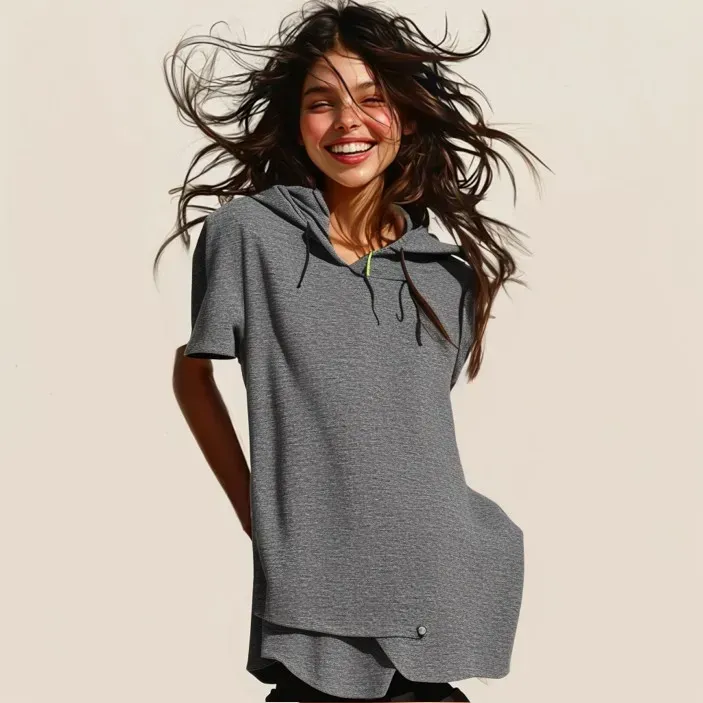 Gray cropped hoodie made from soft brushed cotton
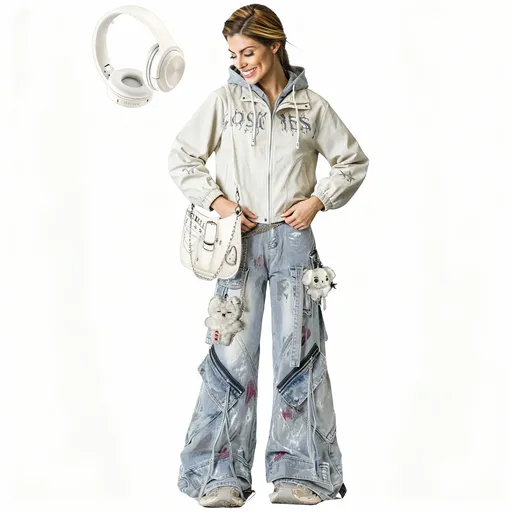 Hooded beige jacket with graphic
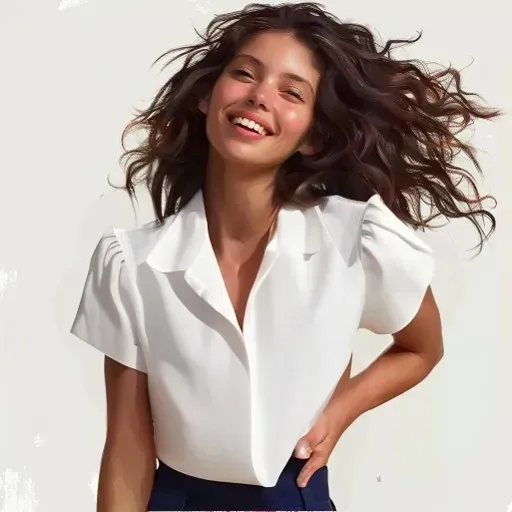 Dark indigo wide-leg trousers in soft
Tap any look to open it in the app on your own photo.
Related
Business Casual · Wedding Guest Outfits · Seasonal Outfits · Traditional Clothing
Questions people actually ask
How do I stop an outfit looking like a costume?
Limit yourself to two references and let everything else stay plain. Costume happens when every piece shouts the same theme at once. One period or subculture signal inside an otherwise ordinary outfit reads as style; wearing all of them together reads as fancy dress.
Is it safer to overdress or underdress?
Overdress, slightly. One step above the room reads as respect for the occasion, and a jacket, tie or statement piece can always come off. Two steps above starts to look like you misread the invitation, so aim just past the middle of the expected range.
How do I take one outfit from day to evening?
Change the smallest things. Swap flats for a heel or a sharper shoe, add a jacket or drop one, and switch a day bag for something small. Darker lipstick and one piece of jewellery finish it. Changing the entire outfit is rarely necessary and often not possible.