
Wedding guest dressing has exactly two hard rules and a lot of soft ones. Do not wear white, and do not outshine the couple. After that the invitation is doing the talking.
Most of the difficulty is that invitations use dress code names inconsistently, so the safest move is to read the venue as much as the wording.

Examples from the blog


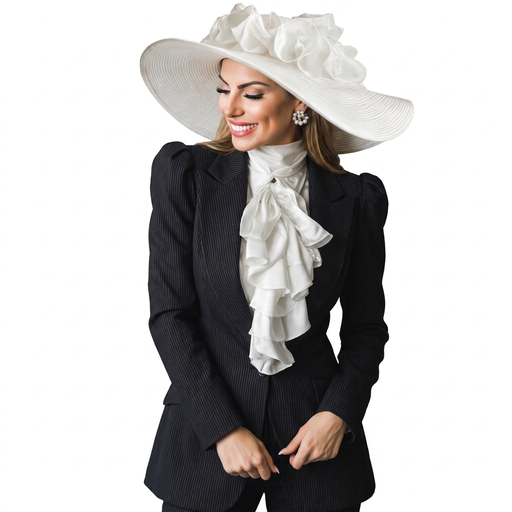

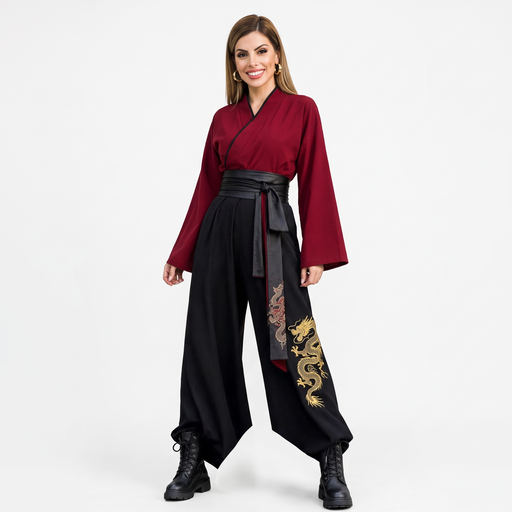


Decide in this order: venue, hour, season
Start from the facts you cannot change. Venue sets a ceiling and a floor at once, since a barn or a beach caps how formal you can reasonably go, and a cathedral or a hotel ballroom raises the minimum. Hour comes next. Anything before late afternoon carries lighter colours and lighter cloth comfortably, and evening pulls towards depth, structure and darker fabric. Those two facts alone rule out most wrong answers before you open a wardrobe.
Season decides weight before it decides colour, so a linen suit in February and heavy wool in July both fail on comfort long before anyone judges the shade. Then check the venue’s own rules. Places of worship often ask for covered shoulders, covered knees or a head covering, and those requests sit above whatever the invitation card says about dress code. Ask the wedding party if you are genuinely unsure, since nobody minds the question.
What goes wrong around hour three
Ground surface catches people out more than anything else. Stiletto heels sink into grass and gravel, so an outdoor ceremony calls for a block heel, a wedge or a flat. Outdoor venues also drop temperature fast after sunset, usually well before the dancing starts, so carry a wrap or a jacket even when the afternoon is warm. Grass marks pale hems and light soles as well, so check the forecast for the evening and not just the afternoon.
Think about the eight hours, not the first photograph. Heavy synthetic lining in summer sun is the quickest route to misery. Small tight patterns can shimmer strangely in photos. Pick something with a pocket, or a bag that closes, because at some point you will be holding a drink, a phone and somebody else’s hat. Comfortable shoes you can dance in beat correct shoes you cannot, and a second pair left in the car settles the argument.
| It says | Women | Men |
|---|---|---|
| Black tie | Floor length gown | Tuxedo |
| Formal or black tie optional | Long or elegant midi | Dark suit, tie |
| Cocktail | Knee to midi length | Suit, tie optional |
| Semi-formal | Midi dress or dressy separates | Suit or blazer with trousers |
| Garden or beach | Midi in light fabric, block heel | Linen or light suit, no tie |
More wedding guest outfits to try on
 Fuchsia off-the-shoulder maxi dress
 Black leather suit with zipper details and a tailored
 Olive green tweed suit with elbow patches
 Indigo denim shirt dress with a tie waist
 Soft pastel floral boho dress
 Purple and green tropical print sundress
 White dinner jacket with black satin lapels
 Emerald green mini dress featuring a deep V-neck
 Charcoal grey sweater dress
 Red plaid pinafore dress with a square neckline
 Electric blue suit with LED light trimmings along
 Women dress in deep burgundy hues
Tap any look to open it in the app on your own photo.
Related
Cocktail Dresses · Suits and Tuxedos · Dress Codes Compared · Maxi Dresses · Color Analysis
Questions people actually ask
Can a guest ever wear white?
Only if the couple has explicitly asked for it. Cream, ivory and champagne carry the same risk and are better avoided.
Is black acceptable at a wedding?
Yes, at evening and city weddings it is completely standard. It reads heavier at a daytime garden wedding.
What if there is no dress code on the invitation?
Treat it as cocktail. It is the middle of the range and rarely looks wrong in either direction.
What do 'festive' and 'garden party' actually mean on an invitation?
Festive means cocktail formality with permission to use colour, sparkle or a bolder jacket. Garden party means daytime, outdoors and soft: florals, lighter colours, a midi dress or a light suit, and shoes that survive a lawn. Both sit below black tie and above anything you would wear to work.
Does the dress code change between ceremony and reception?
Rarely on paper, often in practice. Shawls and jackets worn for a religious ceremony can come off later, and swapping into softer shoes for dancing is normal and expected. Plan one outfit that works both covered and uncovered instead of planning a full change halfway through.